A Study in Wool: Tying the Scarf for an Oxford November
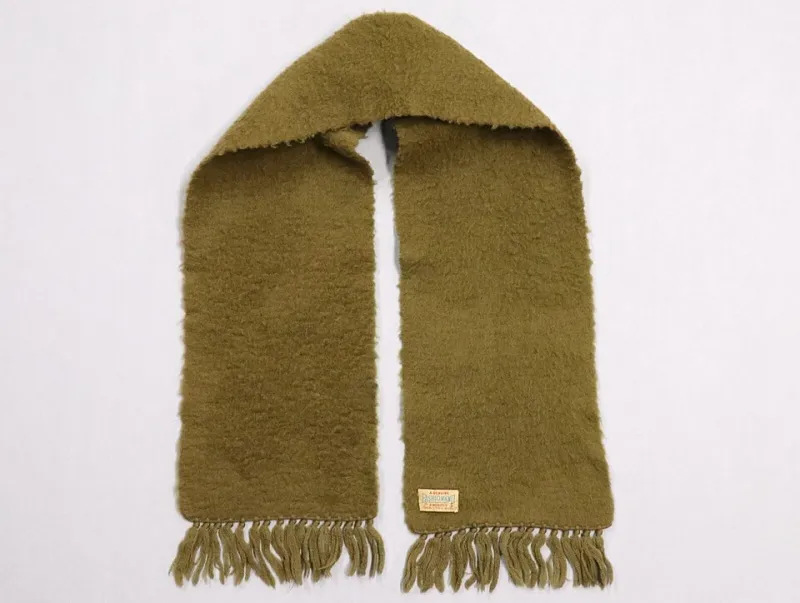
Photo: San Diego Air & Space Museum Archives, Public domain, via Wikimedia Commons
There is a particular wind that moves through Oxford in November. It comes down Broad Street with purpose, turns at the corner of the High and finds its way beneath even a well-cut collar. In such weather, the scarf ceases to be a decorative afterthought. It becomes the most expressive layer in the wardrobe: the point at which practicality, colour and personal style meet.
At Jordell Oxford, we prefer the scarf to be chosen with the same care as a coat. It should add something without overwhelming the whole. It should be warm without making the shoulders feel constrained. And it should be tied in a way that respects the collar beneath it. What follows is a practical study of five knots for November 2026, each suited to a different weight of wool, a different coat and a different kind of morning.
First Principles: Width, Weight and Weather
Before the knot, the cloth. A scarf intended for looping should be generous enough to work with, generally 180 to 200 cm in length and 25 to 30 cm in width. A shorter scarf of 160 cm is better reserved for a simple drape, where excess length would only add bulk. For Oxford's damp cold, a dense lambswool or a tightly woven cashmere is more useful than a loose, airy knit. The former resists wind; the latter offers softness but less protection.
Colour should be considered against the coat rather than in isolation. With a grey overcoat, a mid-grey, oatmeal, burgundy or deep olive scarf adds depth without disturbance. With navy, camel, rust or a muted petrol blue works well. With camel, choose cream, chocolate, charcoal or a restrained forest green. A very bright scarf can be effective, but it should be a deliberate decision rather than an accidental one. Texture is often the safer route to interest: a herringbone, a subtle rib or a brushed finish will do more for a refined coat than a loud pattern.
The Drape: For Still Mornings and Tailored Collars
The simplest knot is no knot at all. Fold the scarf once lengthways, place it around the neck with the ends falling evenly, and allow the collar of the coat to sit naturally over it. This suits a tailored overcoat with a notch lapel, particularly in early November when the cold is present but not severe. A lightweight lambswool or a fine cashmere is best here; a heavy scarf will disturb the line of the coat.
The drape is also the most formal of the five. It leaves the chest relatively open, so it works well over a jacket and tie, and it does not compete with a well-pressed shirt collar. On a still morning, walking from college to the Bodleian, it is sufficient. On a windy one, it is not.
The Parisian Loop: The Neat Answer to a Turned Collar
The Parisian loop remains the most useful knot for everyday wear. Fold the scarf in half, place the loop around the neck, pass the loose ends through the loop and draw them gently downwards. The result is compact, symmetrical and secure. It sits close to the throat without strangling the collar, and it works particularly well with a trench coat, a polo coat or any overcoat with a turn-back collar.
Use a medium-weight wool or cashmere. A very thick scarf will make the loop bulky; a very fine one may slip. The Parisian loop is smart enough for a meeting and practical enough for the Covered Market on a Saturday. It is, in many ways, the default Oxford knot: restrained, efficient and quietly correct.
The Once-Around: For Damp Wind and Longer Walks
When the wind carries moisture, the once-around is more reliable than the drape. Wrap the scarf once around the neck so that one end falls in front and the other sits slightly shorter, then adjust the overlap so it covers the throat without pressing on the collar. A denser wool is appropriate here, perhaps a lambswool with a little weight or a cashmere blend woven for resilience.
This knot suits a raglan overcoat or a looser, more utilitarian coat. It is the knot for walking to Port Meadow, for a long errand along Cowley Road, for the sort of day when the sky is not quite raining but the air feels wet. It should look slightly undone, never tightly wound. The aim is protection with ease, not a tourniquet.
The Loose Slip Knot: A Little Structure
The loose slip knot gives the scarf a defined centre without the bulk of a full wrap. Bring the scarf around the neck, cross the ends and tie a single loose knot at the throat, then adjust it so the knot sits comfortably above the sternum. The ends should fall independently rather than being pulled tight. A fine cashmere or soft wool is best; heavy cloth will make the knot clumsy.
This is a useful choice with a softer collar or a coat worn open. It adds a little structure to the neckline and works well with a crew-neck knit beneath. It is also forgiving: if the knot feels too formal, loosen it; if the wind rises, draw it closer. In Oxford, where the day can move from a mild afternoon to a sharp evening, that adjustability matters.
The Double Wrap: For the Cold Snap
The double wrap is the most protective of the five and should be used with discretion. Wrap a long scarf twice around the neck, then tuck the ends beneath the second loop at the front. It is excellent in a genuine cold snap, particularly with a robust overcoat or a duffle coat. It is less successful with a shawl collar, where the added bulk can obscure the line of the coat.
Choose a scarf with enough length to wrap twice without tightening. The effect should be warm and slightly generous, not compressed. This is the knot for a late-November evening, for the walk home after a concert or for the first truly bitter morning of the season. It is practical, but it should still look considered.
Care Through the Damp Months
Wool and cashmere require attention in November. After wear, air the scarf for an hour or two before folding it away. Do not hang a heavy scarf for long periods, as the weight can distort the weave; fold it instead. Brushing gently with a soft clothes brush removes surface dust and revives the nap.
If washing is necessary, hand wash in cool water with a wool detergent, rinse thoroughly and dry flat away from direct heat. Never place a damp scarf on a radiator. Rotate scarves through the week so that each has time to recover, and store clean wool with cedar to deter moths. A scarf that is looked after will hold its shape and softness for years, which is the quiet argument for buying fewer and choosing better.
A Final Note on Proportion
The scarf should finish the coat, not argue with it. A refined grey, navy or camel overcoat needs a scarf that adds colour or texture at the neck and then steps back. The knot should suit the collar, the cloth should suit the weather and the whole should look as though it was chosen without effort. In an Oxford November, that is the standard worth keeping.