Jordell Oxford Refined wardrobe stories rooted in Oxford

Jordell Oxford

Refined wardrobe stories rooted in Oxford

Latest Articles

The Unfinished Silhouette: A Case for Headwear in the Oxford Winter Wardrobe
Seasonal Edit

The Unfinished Silhouette: A Case for Headwear in the Oxford Winter Wardrobe

Oxford's winter silhouette too often stops abruptly at the collar, leaving the overcoat, scarf and lapel to carry a composition that is not quite complete. A considered hat — felt, tweed or a quiet waterproof brim — supplies the missing line, provided proportion, material and manners are attended to before novelty.
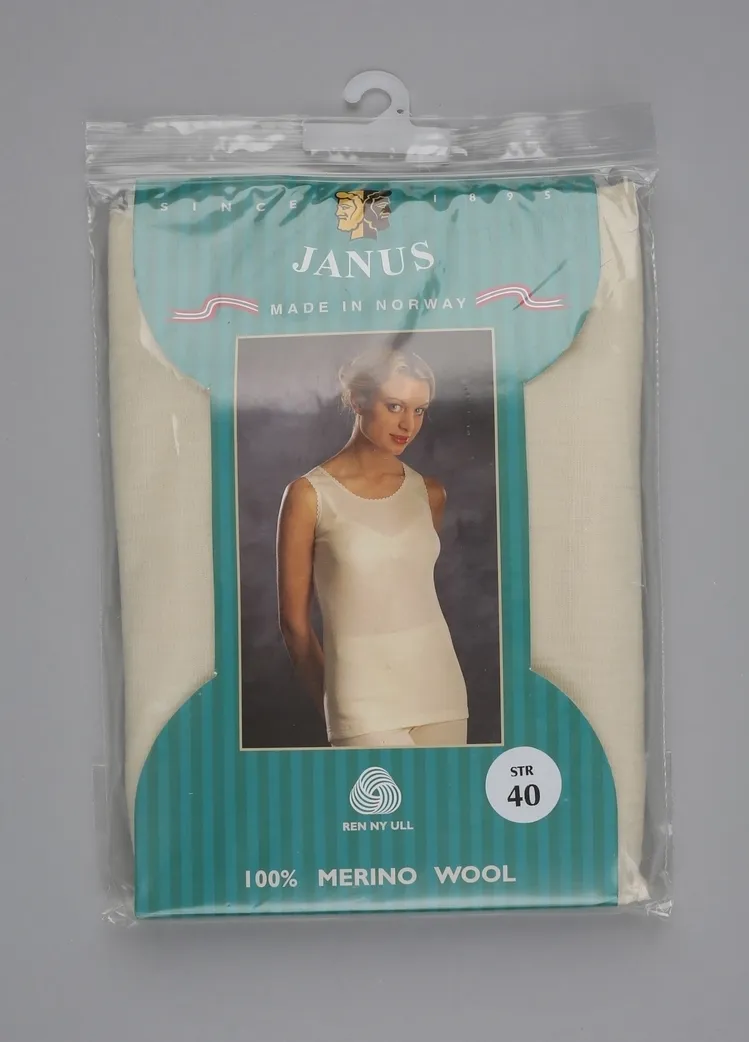

The Foundation Garment: Choosing an Undershirt for Oxford's Cold Rooms and Damp Lanes
Style Notes

The Foundation Garment: Choosing an Undershirt for Oxford's Cold Rooms and Damp Lanes

The undershirt is the least visible piece in a winter wardrobe and among the most consequential. This guide considers merino and cotton, neckline discipline and sleeve length for Oxford's cold rooms and damp lanes.

The Face, Framed: Eyewear and the Discipline of the Second Glance
Style Notes

The Face, Framed: Eyewear and the Discipline of the Second Glance

Eyewear is too often treated as a practical afterthought, yet it sits at the very centre of the face and governs how every collar, hat and winter layer is read. This is a considered audit of frames for an Oxford wardrobe: acetate, horn and fine metal, fit before fashion, and the quiet value of keeping a good pair in repair.

The Almost-Noticed Accent: Pocket Squares and the Discipline of Restraint
Style Notes

The Almost-Noticed Accent: Pocket Squares and the Discipline of Restraint

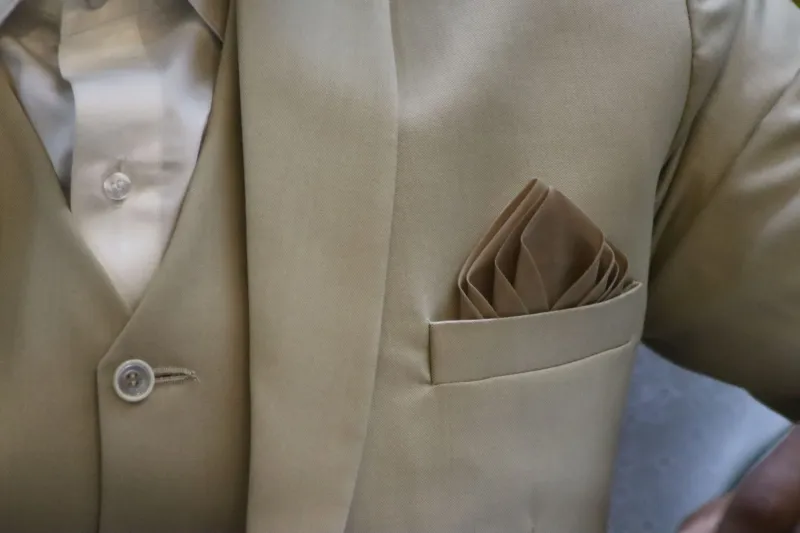
A pocket square is at its best when it reads as private care rather than display. This considered guide examines linen, wool and silk, restrained folds for day and evening, and the small disciplines that keep the gesture within the Oxford register.

Cloth That Keeps Its Counsel: Dressing for Oxford’s Silent Rooms
Style Notes

Cloth That Keeps Its Counsel: Dressing for Oxford’s Silent Rooms

In Oxford’s reading rooms and recital halls, cloth is heard before it is seen. This is a practical audit of fabric noise, from flannel and corduroy to silk and synthetic blends, with a refined checklist for dressing with acoustic as well as visual restraint.

The Discreet Grid: Tattersall and the Art of Winter Restraint
Style Notes

The Discreet Grid: Tattersall and the Art of Winter Restraint

Tattersall is often mistaken for country costume, yet at the right scale it becomes one of winter's most civilised patterns. This is a considered guide to colour, proportion and pairing for an Oxford wardrobe in 2026.

A Quiet Measure of Time: Straps, Cuffs and the Oxford Wrist
Style Notes

A Quiet Measure of Time: Straps, Cuffs and the Oxford Wrist

The watch is often the smallest element of an outfit, yet it sits at the precise point where shirt, knitwear and outerwear meet. This guide considers how leather, suede, woven nylon and steel straps behave at the Oxford cuff, and how to choose between a slim dress watch and a quieter field watch for British weather and daily wear.

Structure in Daylight: The Waistcoat as an Oxford Working Layer
Style Notes

Structure in Daylight: The Waistcoat as an Oxford Working Layer

The waistcoat is often kept for ceremonies and weddings, yet its practical value begins at noon. In an Oxford wardrobe, a well-cut waistcoat in tweed or wool adds warmth, order and a quiet line beneath an overcoat.

The Fastening Below the Fold: Belt Discipline for an Oxford Wardrobe
Style Notes

The Fastening Below the Fold: Belt Discipline for an Oxford Wardrobe

The belt is rarely the first piece one considers, yet it governs the line of a trouser and the composure of a layered outfit. This is a practical study of width, leather, buckle and care for the Oxford wardrobe, with an argument for hardware that stays silent.

The Final Line: Hemming Trousers for an Oxford Wardrobe in 2026
Style Notes

The Final Line: Hemming Trousers for an Oxford Wardrobe in 2026

The trouser hem is the last line of a silhouette, and in Oxford it is read as closely as any other. A measured approach to break, clearance and cloth ensures the leg looks composed rather than merely covered.

The Unseen Register: Hosiery and the Composure of the Oxford Ankle
Style Notes

The Unseen Register: Hosiery and the Composure of the Oxford Ankle

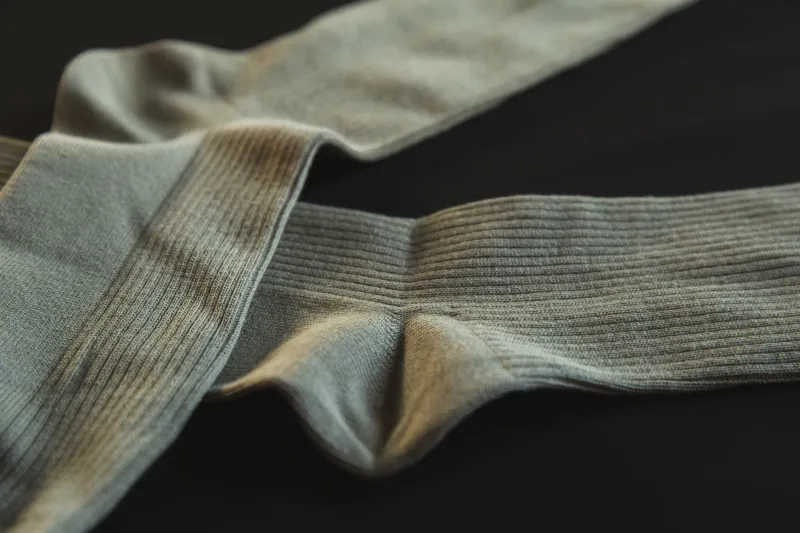
A considered study of hosiery as the quiet hinge of the cold-weather wardrobe, from fine merino and ribbed wool to the disciplined case for darker hose with tailoring. The ankle is not a place for display, but for the meeting of comfort and refinement.

Shelter, Considered: The Walking Umbrella as a Finishing Piece
Style Notes

Shelter, Considered: The Walking Umbrella as a Finishing Piece

In Oxford, rain is less an interruption than a recurring condition of the day. A considered umbrella should therefore read as part of the coat, not as emergency equipment retrieved from a bag. This guide examines canopy shape, handle materials and colour discipline, with a firm view on the walking stick over the collapsible.

The Frame at the Throat: Five Shirt Collars for Winter Layering
Style Notes

The Frame at the Throat: Five Shirt Collars for Winter Layering

The collar is the quiet frame of a cold-morning outfit, the detail that decides whether an overcoat, cardigan and scarf feel considered or merely warm. This guide examines five shirt shapes that work under Oxford winter layers, with practical notes on proportion, fabric and finish.

A Study in Wool: Tying the Scarf for an Oxford November
Style Notes

A Study in Wool: Tying the Scarf for an Oxford November

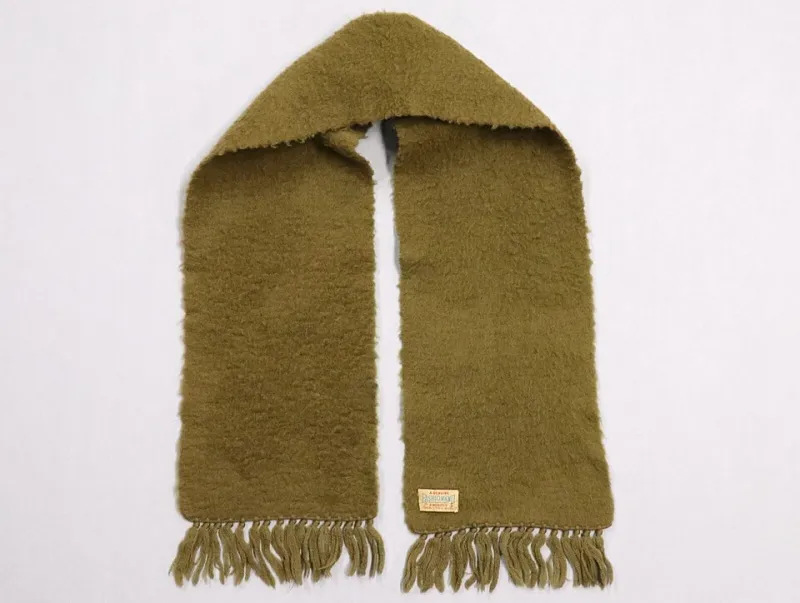
In an Oxford November, the scarf is less an accessory than a piece of architecture: it shapes the neckline, tempers the wind and gives an overcoat its final character. A practical guide to five wearable knots, chosen for collar shape, cloth weight and the particular damp cold of the city in 2026.

A Considered Hand: Five Gloves for Oxford's Winter Mornings
Seasonal Edit

A Considered Hand: Five Gloves for Oxford's Winter Mornings

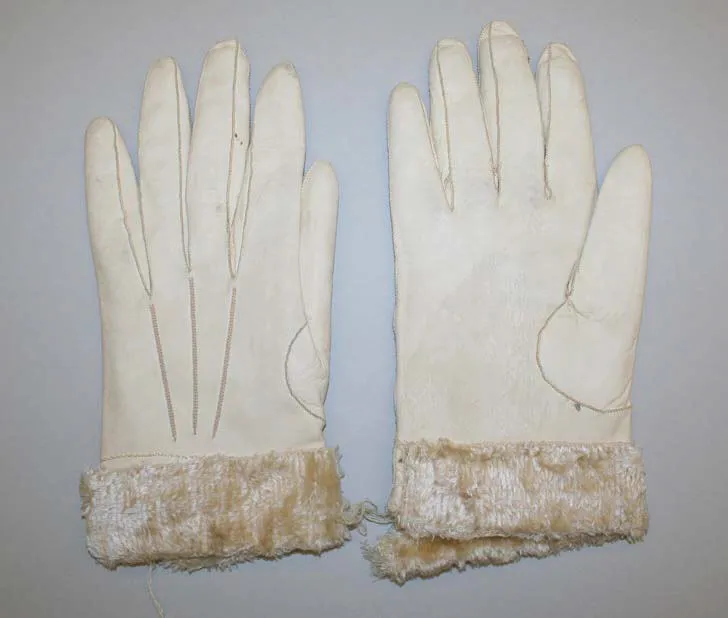
A glove is not an accessory of last resort. It is the first thing worn on a cold Oxford morning and the last thing removed at a dinner table. This edit considers five pairs for the 2026 winter wardrobe, with notes on fit, colour and cuff compatibility.

The Quiet Weight of Grey Flannel: Texture as Character in the 2026 Wardrobe
Style Notes

The Quiet Weight of Grey Flannel: Texture as Character in the 2026 Wardrobe

Grey flannel is not a shortcut to heritage, nor a costume for colder months. In Oxford, its value lies in the way brushed wool absorbs light, softens line and gives an outfit measured gravity — provided the cloth, cut and care are chosen with discipline.

The Festive Invitation: Dressing for December 2026 Without Costume
Seasonal Edit

The Festive Invitation: Dressing for December 2026 Without Costume

December invitations often say festive and leave the rest to interpretation. This guide decodes the college supper, the pub gathering and the winter concert, showing how velvet, dark knitwear and polished shoes can feel celebratory while remaining restrained.

The Daily Carry, Audited: Bags for an Oxford Wardrobe
Style Notes

The Daily Carry, Audited: Bags for an Oxford Wardrobe

An Oxford day moves from library to market to table, and the bag must answer the load before the look. This is a practical audit of the satchel, the slim briefcase and the structured tote, with wet-weather care, strap comfort and patina in view.

A Layer of Consequence: The Cardigan in the Oxford Wardrobe
Seasonal Edit

A Layer of Consequence: The Cardigan in the Oxford Wardrobe

The cardigan is often treated as the soft option in a wardrobe, yet in Oxford it performs a more serious role. This autumn and winter 2026, it deserves attention as a measured layer: warm without bulk, adaptable without noise, and entirely at home beneath tailoring or an overcoat.

The Maintained Wardrobe: A Repair Ethic for Oxford in 2026
Style Notes

The Maintained Wardrobe: A Repair Ethic for Oxford in 2026

The most refined wardrobes in Oxford are not necessarily the newest. They are the ones that are understood, maintained and repaired. This is a practical argument for mending first and buying better, with notes on audits, cobblers, tailors and the quiet dignity of visible repair.