The Second Rail: Building an Oxford Wardrobe from Vintage Corners
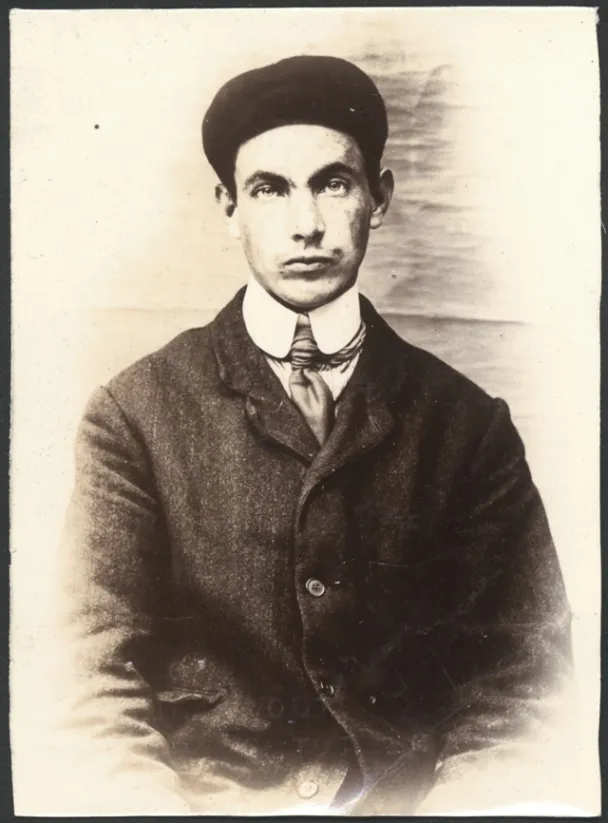
Photo: Tyne & Wear Archives & Museums, No restrictions, via Wikimedia Commons
There are two kinds of rails in Oxford. The first is the one you walk past. The second is the one you stop at, part the hangers and read from left to right with the patience of someone checking a bookshelf. The difference between them is not luck. It is method, and method can be learned.
Cloth First, Story Second
The temptation with secondhand clothing is to buy the story: the military surplus, the country-house provenance, the label that once meant something. Resist it. Stories do not keep you warm and they do not sit well across the shoulder. Begin instead with the cloth, held between finger and thumb.
A good wool has a dry, slightly springy hand. Fold it and it should recover rather than hold the crease. Hold it to the light: if you can see the pattern of the weave through the surface, the cloth is probably too light for a British winter. Check the seams at the cuff and underarm, where wear appears first, and check the elbows by turning the sleeve inside out. A jacket that has been worn hard will show shine at the elbow long before it shows a hole.
The Hierarchy of Rails
Oxford rewards a route. The charity shops along Cowley Road and St Clement's turn over stock quickly and are best visited on weekday mornings, before the weekend trade thins the good pieces. Summertown tends toward the quieter, better-kept donation: less volume, higher average quality. Church hall sales, advertised on parish noticeboards and village boards out toward Wolvercote and Headington, produce the odd remarkable coat at a price that has not been adjusted for the internet.
The consignment shops sit at the top of the hierarchy in both price and condition, and they are where a serious search should end rather than begin. By the time you reach them you should know what you are looking for, and what you are willing to pay for the alteration.
Provenance and the Small Print
Labels are evidence, not decoration. A cloth label naming a mill is worth more than a brand label naming a season. Union labels, care labels with fibre percentages, and country-of-origin marks all help date a garment and, more usefully, predict how it will behave after cleaning.
Look for the maker's name inside the inside pocket, and for the size marked in a way that suggests an older sizing system. A vintage 40 is unlikely to be a modern 40, and the shoulders cannot be altered at all. Measure a jacket you already own across the chest and shoulders and carry those numbers in your phone. It takes a minute and saves a wasted afternoon.
The Alteration Budget
Here is the discipline that separates a good secondhand purchase from an expensive mistake. Set a total budget before you enter the shop. Take the ticket price and add the likely alterations: sleeves shortened, waist taken in, trousers hemmed, a lining repaired. A tailor in Oxford will charge a fair price for each, and the sum is often more than the garment cost.
The rule that serves best is this: never let the alteration cost exceed the purchase price by more than half. Beyond that point you are commissioning a garment rather than rescuing one, and the economics stop working. A jacket found for forty pounds and altered for thirty is a bargain. The same jacket altered for ninety is a lesson.
What Actually Earns Its Place
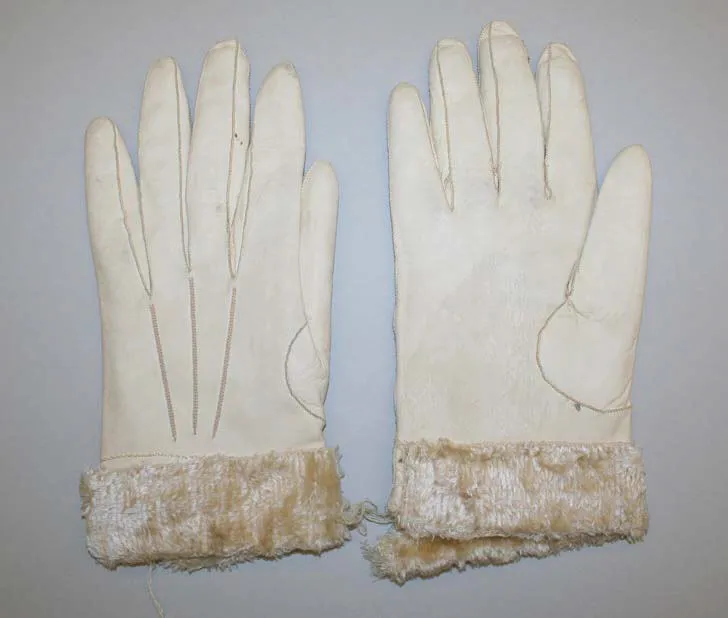
Some categories repay the search far more than others. Overcoats in heavy wool, because the cloth is expensive and the cut changes little. Knitwear in lambswool and Shetland, because a good knit improves with washing. Country checks and quiet tweeds, because the pattern hides wear and the style does not date. Leather gloves and leather bags, because both can be conditioned.
What rarely repays the search: shirts with worn collars, shoes with compressed soles, and anything requiring structural rebuilding in the shoulder. These are not worth the negotiation.
Bringing It Home
A found piece only becomes part of a wardrobe when it is integrated. Pair a vintage tweed jacket with modern trousers in a plain dark wool, and the contrast of eras disappears into the contrast of texture. Wear a secondhand overcoat over contemporary knitwear and the coat is read as a coat rather than a costume. Keep the rest of the outfit simple and let one piece carry the history.
The test is simple and worth applying in the shop doorway: can you name three things you already own that this garment will sit beside? If the answer is immediate, buy it. If you are inventing the outfit, leave it on the rail. There will be another.
Bought this way, secondhand clothing is not a compromise and not a hobby. It is the same wardrobe discipline applied to a market with better cloth and worse organisation. That is all it is, and it is quite enough.