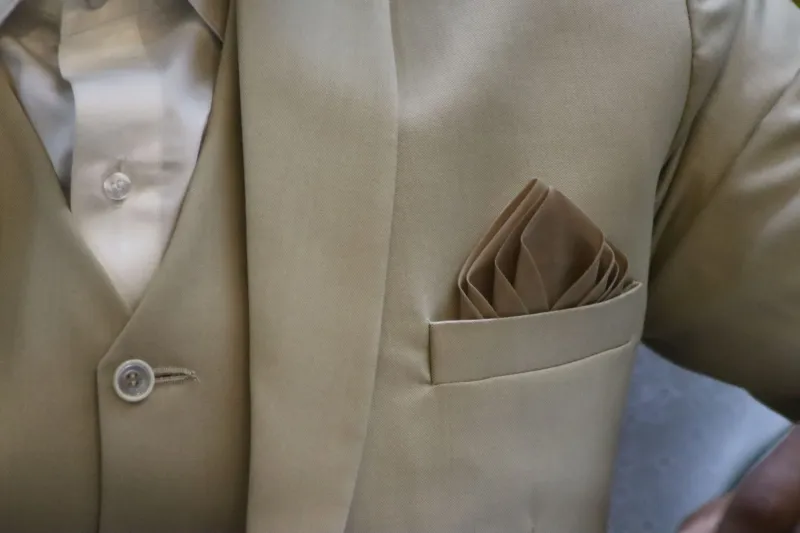
The Foundation Garment: Choosing an Undershirt for Oxford's Cold Rooms and Damp Lanes
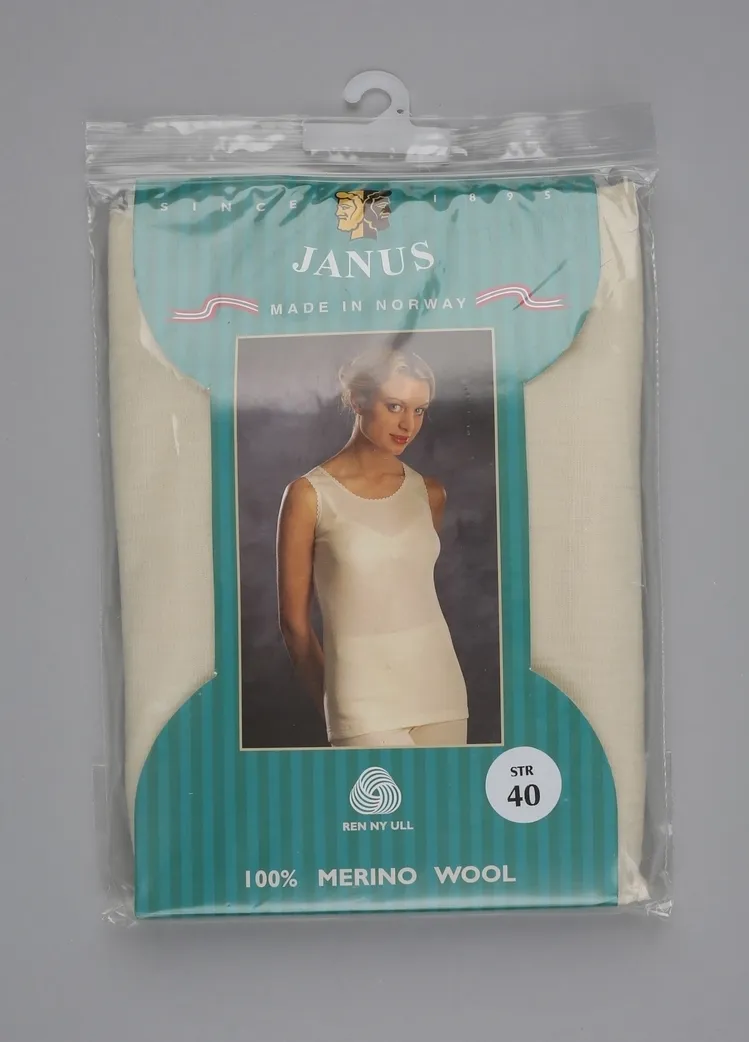
Photo: Bevaringstenestene / Museumssenteret i Hordaland, CC BY-SA 4.0, via Wikimedia Commons
Oxford in November asks a particular question of a wardrobe. The coat is chosen, the scarf tied, the shoes checked against the forecast. Yet comfort through a long day of lectures, errands and an evening engagement is decided at a layer that no one else will see. As Michaelmas term 2026 moves toward its close, the undershirt deserves the same scrutiny we give to tailoring.
The layer that sets the terms
Stone buildings hold cold. A lecture theatre in the morning, a library in the afternoon and a walk along Broad Street in between expose the body to shifts that a shirt alone cannot absorb. The undershirt is not a concession to the season; it is the foundation on which the shirt sits. It regulates moisture, adds a measured degree of warmth and protects the shirt from the daily friction of wear. In a considered wardrobe, that is structural work.
The mistake is to treat it as an afterthought — a pack of anonymous white cotton bought in haste. The better approach is to think of it as part of the same system as the shirt, the knitwear and the coat: a piece chosen for its behaviour, its fit and its discretion.
Merino and cotton: two different temperaments
Merino wool is the more capable companion for an Oxford winter. Fine-gauge merino, ideally around 17.5 microns, offers warmth without weight, moves moisture away from the skin and resists odour across a long day. It is the sensible choice for a damp walk back from Port Meadow or a chilly wait at a bus stop on the Iffley Road. A merino undershirt can be worn beneath a shirt and then beneath knitwear without creating the faint sense of congestion that thicker layers produce.
Cotton remains useful, particularly for those who prefer a familiar hand against the skin. It absorbs moisture readily, which makes it comfortable in heated rooms, but it holds that moisture rather than releasing it. After exertion, a cotton undershirt can feel cool and clammy — a real consideration if the day involves cycling across Oxford or walking briskly to a supervision. Cotton blends can moderate this, though pure merino is the more reliable performer in changeable weather.
The practical answer is not to choose one fibre exclusively. A small rotation of merino for damp, cold and long days, with a cotton or cotton-blend option for milder indoor occasions, covers the season without excess.
Neckline discipline under an open collar
An undershirt should be inferred, not observed. Under a shirt worn open at the neck, the neckline must stay below the shirt's own line. A deep V-neck is the safest choice; a low crew neck can work if the binding sits well below the collarbone and the shirt is buttoned sufficiently. The aim is a clean vertical line, not a glimpse of ribbed cotton at the throat.
Colour matters as much as cut. White is traditional but can assert itself under a pale shirt; ecru, pale grey or a tone close to the shirt colour is more discreet. Under a tie, a crew neck is perfectly acceptable, since the knot and collar conceal it. Under an open collar, the discipline is stricter: the undershirt should disappear.
Sleeve length and the architecture of the arm
Sleeve length is where many undershirts fail. A short sleeve should stop before the shirt sleeve begins to narrow, avoiding a ridge at the bicep. A sleeveless undershirt is the cleanest option beneath a close-fitting shirt, particularly when a jacket is worn. Long sleeves are best reserved for very cold days or for wearing beneath knitwear, where the extra length will not bind at the elbow or disrupt the shirt cuff.
There is also the question of length through the body. An undershirt should tuck cleanly and stay tucked. Too short and it rides up; too long and it bunches at the seat. A modest amount of stretch helps, but the fit should be slim without being compressive.
The difference between warmth and bulk
The purpose of the foundation layer is warmth that disappears. A thick, heavily ribbed undershirt will add heat but also add volume at the chest and shoulder, disturbing the drape of the shirt above it. Fine-gauge knits, flatlock seams and a close fit preserve the shirt's line. If an undershirt makes a tailored shirt look padded, it is doing the wrong job.
This is particularly relevant in Oxford, where the visible wardrobe tends toward the controlled: a shirt, a knit, a coat, each sitting cleanly over the next. The unseen layer must respect that order.
A small, maintained rotation
Three merino V-necks, two cotton crews and one sleeveless option will carry most wardrobes through a British winter. Neutral colours simplify care and matching. Merino should be washed cool and dried flat; cotton can be washed more conventionally but benefits from being dried away from direct heat. Rotation extends the life of each piece and reduces the frequency of washing.
Bought with care and worn without fuss, the undershirt is not an afterthought. It is the quiet beginning of the day's composure — the first layer of a considered Oxford wardrobe.