The Closing Argument: Button Placement and the Oxford Overcoat
The line that decides the coat
A coat is often judged by its cloth, its colour or its collar. Yet the most consequential decision is frequently the least discussed: where the buttons sit. The fastening line governs how the front of a coat falls, how much overlap it offers against a damp Oxford morning, and whether the finished silhouette reads as considered or merely adequate. In a city where coats are worn for long walks between quadrangles, for cold rooms and for the quiet theatre of a winter evening, the button stance deserves closer reading.
The term is simple enough. Button stance describes the height and horizontal placement of the fastening buttons on the front of a coat or jacket. A high stance sits closer to the chest; a low stance drops toward the waist. A single-breasted coat relies on one line of buttons and a modest overlap. A double-breasted coat arranges two parallel columns, with the working row determining how much cloth crosses the body. Each arrangement changes not only the fit but the visual weight of the wearer.
Single-breasted restraint
For most Oxford wardrobes, the single-breasted overcoat remains the most versatile instrument. Its fastening line is usually placed at the natural waist or slightly above, allowing the skirt of the coat to fall cleanly below. A well-positioned top button should close without pulling across the chest; if it strains, the coat is either too close in the body or the stance is too high for the wearer's proportions.
The virtue of a single-breasted coat is its discretion. It can be left open over a jacket, fastened against rain, or worn with a scarf tucked beneath the lapels. In winter 2026, the most useful examples are cut with enough room through the chest to accommodate a waistcoat or a mid-layer without distorting the fastening line. A coat that closes well leaves a vertical column of cloth from throat to hem; a coat that merely fastens often reveals a diagonal pull from button to shoulder, a small sign of strain that becomes more obvious in daylight.
When buying, fasten the coat over the layers you genuinely intend to wear. A shirt alone will flatter a closer stance; a jacket beneath will demand a little more room and, often, a slightly lower button position. The difference is not vanity. It is the practical arithmetic of Oxford's cold rooms and damp lanes.
The double-breasted overlap
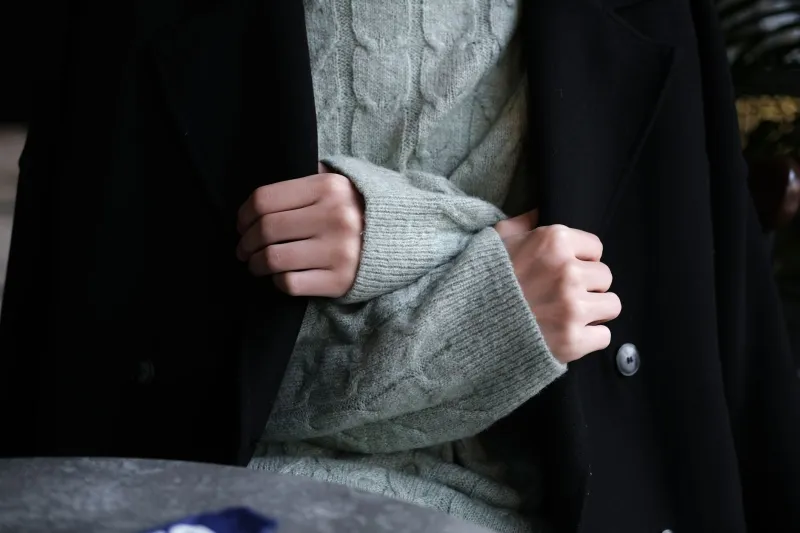
Double-breasted coats offer a more deliberate architecture. The working buttons sit to one side, while the decorative row provides balance. The stance here is a matter of overlap: a higher fastening point creates a broader, more protective front, while a lower one can lengthen the appearance of the torso. A peacoat, with its shorter body and broad overlap, is a case apart. Its buttons are placed for weather rather than formality, and the best examples close with a firm, flat front rather than a series of ripples.
For Oxford wear, a double-breasted overcoat in a substantial wool or wool-cashmere blend can be excellent in January, provided the shoulders are clean and the overlap does not add unnecessary bulk. The fastening line should allow the wearer to sit, walk and reach without the front bowing open. If the coat feels like armour, it will be worn less often than its cloth deserves.
Blazers and the indoor line
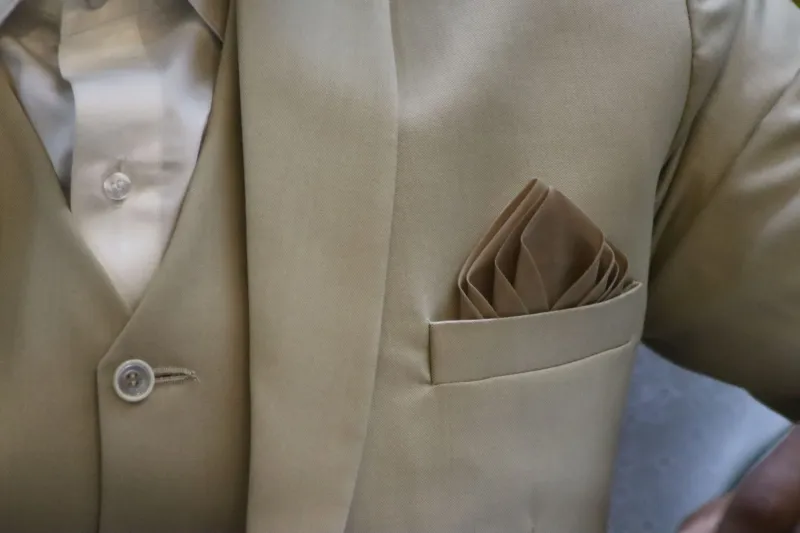
Structured blazers follow the same logic at closer quarters. A two-button jacket fastened at the upper button creates a clean V and allows the lower button to remain open; a lower stance can flatter a longer torso but may shorten the leg line if the skirt is also long. In the Oxford wardrobe, the blazer is often the bridge between formal and everyday dress, and its button stance should permit a shirt, a fine knit or a waistcoat beneath without pulling at the hips.
Alterations can refine a stance, but they cannot invent cloth. Moving a button a centimetre or two is straightforward; correcting a front that was cut too short or too narrow is not. A tailor should be asked to assess the coat both open and closed, and with the layers the wearer expects to use.
Cloth weight and the closing line
Heavier cloth behaves differently along the fastening line. A dense melton or a woollen overcoating holds a crisp front and can support a higher stance without collapsing. Softer tweeds and brushed cloths may need a slightly lower button and a more generous overlap to avoid a limp, puckered closure. Lighter weights are better suited to a clean single-breasted line than to a double-breasted front that demands body.
The quiet difference between a coat that closes well and one that merely fastens is visible in the fall of the lapels, the lie of the front edge and the absence of tension at the button. It is not a question of expense alone. It is a question of proportion, cloth and the honest measurement of the wearer.
A practical audit for winter 2026
Before committing to a coat this winter, fasten it over a shirt and then over a jacket. Walk a few paces, sit down, and raise an arm as if reaching for a book. The fastening line should remain calm. Check that the buttons sit on the centre line of the body rather than drifting toward the hip, and that the coat's front edges meet without gaping. If the stance feels too high, the coat will ride up at the chest; if too low, it may look lethargic.
In Oxford, a coat is a daily companion for several months of the year. Its buttons are not ornaments but the points at which the garment makes its argument about fit, warmth and restraint. Read that line carefully, and the coat will do more than keep out the weather. It will close the wardrobe with quiet conviction.