The Considered Collegiate: An Oxford Wardrobe That Works Beyond the Quad
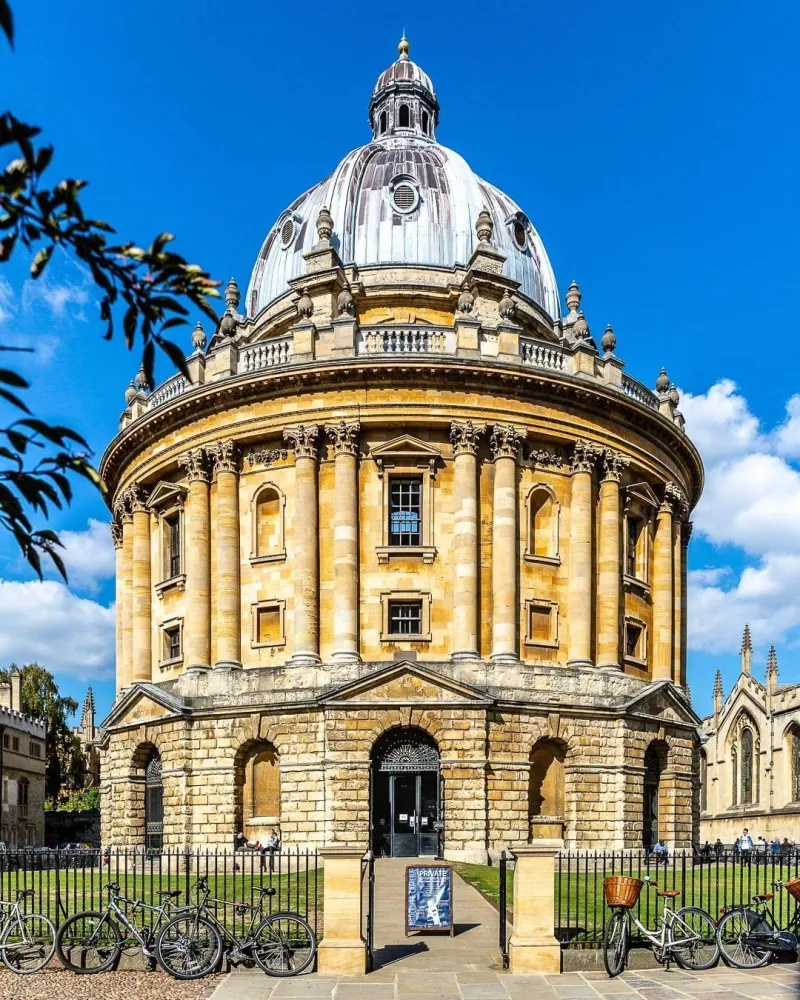
Photo: Oxford collegiate menswear wool blazer loafers autumn street style, via wallpaperaccess.com
Oxford has a way of making a wardrobe look either entirely natural or slightly staged. The difference is rarely the clothes themselves; it is the amount of them, the fit and the confidence with which they are worn. The town-and-gown aesthetic is seductive for precisely this reason. It suggests scholarship, weather and long walks between engagements, but it can tip into costume if treated as a uniform rather than a language.
The useful approach for 2026 is to borrow the grammar of the academic wardrobe without reciting the whole syllabus. Soft tailoring, reassuring knitwear, sensible shoes and outerwear that can cope with a damp afternoon are all legitimate parts of a modern wardrobe. Crests, gowns and exaggerated tweed are not. The aim is recognition, not replication.
Start With the Grammar, Not the Uniform
The Oxford look begins with a small set of reliable elements. An unstructured blazer in navy, charcoal or dark olive. A pair of wool trousers with a gentle pleat. A fine-gauge merino crew neck or roll-neck. A leather shoe that is polished but not precious. A coat that looks at home beside a bicycle as well as a dinner table.
These pieces work because they are ordinary in the best sense. They do not announce themselves. A single collegiate signal is usually enough: a flannel trouser, a lambswool knit, a brogue with a little weight to it. When several signals arrive at once, the outfit starts to feel like a performance. One considered reference is style; five are fancy dress.
The Line Between Inspiration and Fancy Dress
Costume tends to begin where literalism takes over. A blazer with an embroidered crest, a fake school tie, a cape-like overcoat or a pipe-smoking air of self-consciousness will read as dress-up rather than dress. The same is true of tweed that is too heavy, too patterned or too deliberately country. The academic wardrobe was never meant to be precious. It was meant to be worn on a bicycle in the rain and then sat in for an hour in a cold library.
The practical test is simple: if an item needs a story to explain why it is there, it probably belongs in a costume box rather than a wardrobe. If it can be worn to a meeting, a walk and a drink without changing the rest of the outfit, it is likely to be useful. The best Oxford-inspired clothes look as though they have been owned for years, not assembled for a photograph.
Proportion and Fabric
Collegiate dressing depends on proportion. Tailoring should skim the body rather than grip it. Trousers should break once, cleanly, over the shoe. Knitwear should be fine enough to sit under a jacket without creating bulk, or heavy enough to stand alone on a weekend. Oversized pieces can work, but they need a sharper counterpoint elsewhere: a generous coat over a neat roll-neck, or a relaxed trouser with a compact shoe.
Fabric matters as much as fit. Natural fibres such as wool, cotton, linen and leather age with character and regulate temperature better than most synthetics. A matte finish is generally more convincing than a sheen. Weight is also important. A flannel trouser in November feels entirely different from a lightweight worsted one, and a brushed wool overshirt will do more for a cold morning than a thin fashion jacket. Oxford weather rewards clothes that are quietly practical.
Formula One: The Office
For a working day in town, begin with a merino roll-neck in navy, grey or oatmeal. Add an unstructured blazer in charcoal or dark navy, then a pleated wool trouser in mid-grey or olive. Leather derbies or loafers finish the look, with a simple leather bag and a wool coat for the commute. If the office is formal, a shirt under the blazer will do the same work with less bulk. Keep the palette tight and the accessories restrained.
This formula succeeds because it respects the collegiate silhouette without imitating a student. The roll-neck softens the tailoring; the pleated trouser adds movement; the derby keeps the outfit grounded. It is smart enough for a meeting and relaxed enough for a coffee afterwards.
Formula Two: Weekend Walks
A weekend walk along Port Meadow or through Christ Church Meadow calls for a different register. Start with a brushed wool overshirt over a cotton or merino base layer. Add a hardy trouser in corduroy, moleskin or a dense wool blend, then a weatherproof boot or a sturdy derby. A waxed jacket or a compact raincoat will cope with the conditions better than a tailored overcoat.
A wool scarf and leather gloves are useful rather than decorative. The overall effect should be practical and slightly worn-in, not a country-house costume. Avoid full tweed suits and elaborate shooting accessories. The point is to look prepared for the weather, not dressed for a period drama.
Formula Three: Evening Drinks
For an evening drink near Little Clarendon Street, keep the layers simple. A fine-gauge knit or a clean Oxford shirt, dark wool trousers and polished loafers form a reliable base. Add a tailored overcoat in navy or camel, and perhaps a silk scarf if the temperature drops. The look should feel softer than the office formula but no less considered.
Evening dressing in Oxford is rarely grand. It is more often a matter of looking tidy in a warm room while the streets outside are cold and damp. A good coat and a well-chosen knit will do more than any elaborate accessory. The aim is to look at ease, not overdressed for the occasion.
A Buying Philosophy
Buy fewer pieces and choose them carefully. A palette of navy, charcoal, camel, olive and burgundy will cover most of the week without becoming dull. Check the fit at the shoulder, the seat and the hem. Look for natural fibres and a finish that will survive real weather. Above all, avoid buying the whole look at once. A collegiate wardrobe is built over time, with each piece earning its place through wear.
The town-and-gown wardrobe works best when it is personal. It should not look like an Oxford tour guide or a student in fancy dress. It should look like a considered wardrobe for a city where scholarship, weather and everyday life meet. That is a more enduring style than any costume.