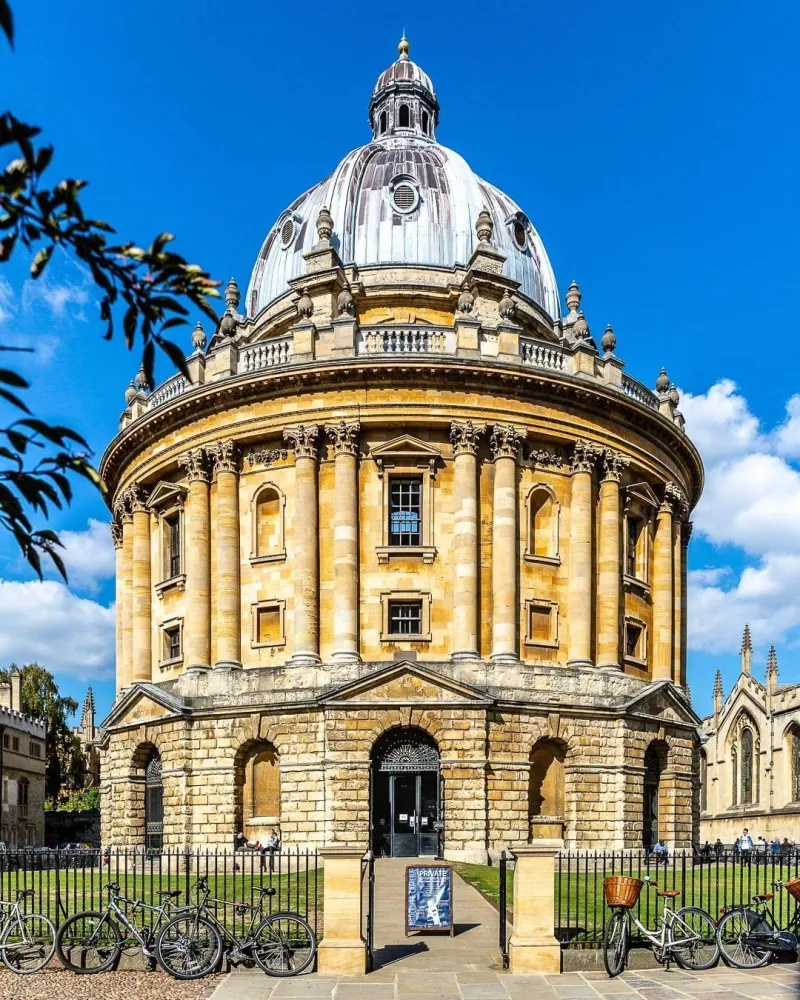
Seven Quiet Layers for November 2026: An Oxford Capsule for Cold Mornings and Long Evenings
Photo: autumn winter menswear layering merino roll neck wool coat Oxford street, via m.media-amazon.com
November in Oxford has its own climate. The mornings are damp, the afternoons darken early, and the rooms you enter are often warmer than the streets you leave. Dressing for this month is therefore less about one heroic coat and more about a series of quiet layers that can be added, removed and carried without fuss. The following seven pieces form a practical capsule for the first properly cold weeks of November 2026, from a morning coffee on Little Clarendon Street to a relaxed dinner in the evening.
The Buying Philosophy
Before considering any individual piece, it is worth setting a simple standard. A winter layer should do at least two of three things: keep you warm, look polished and work with the rest of your wardrobe. It should also be comfortable enough to wear for several hours indoors without overheating. Natural fibres, neutral colours and a fit that allows for movement will always outperform a more fashionable piece that only works in one setting.
The aim is not to build a capsule that looks identical to everyone else's. It is to choose a small number of pieces that make the daily question of what to wear easier. In practice, that means a palette of navy, charcoal, grey, camel, olive and burgundy, with texture doing the work that pattern might otherwise do.
1. The Merino Roll-Neck
A fine-gauge merino roll-neck is the foundation of the November wardrobe. It sits neatly under a blazer or overshirt, works alone with trousers, and regulates temperature better than most cotton knits. Choose a version that is close to the neck but not tight, with enough length to tuck or sit cleanly at the waist. Navy, charcoal and oatmeal are the most useful colours.
Styling note: wear it under an unstructured blazer for the office, or with pleated trousers and loafers for a relaxed dinner. A darker roll-neck with a camel coat is one of the most reliable evening combinations in the winter wardrobe.
2. The Brushed Wool Overshirt
An overshirt in brushed wool or a wool blend is the layer that bridges the gap between knitwear and outerwear. It should be warm enough for a cold morning but light enough to wear indoors without discomfort. Look for a simple collar, a clean front and a slightly relaxed fit that allows a roll-neck underneath.
Styling note: wear it over a merino base with corduroy or wool trousers for a weekend walk, or under a weatherproof coat when the wind picks up. Olive, grey and dark brown are especially versatile.
3. The Pleated Wool Trouser
A pleated wool trouser brings shape and movement to winter outfits without feeling formal. A single pleat is usually enough, particularly in a mid-weight flannel or wool blend. The fit should be clean through the seat and gently tapered or straight through the leg, with a hem that breaks once over the shoe.
Styling note: pair with a roll-neck and overshirt for daytime, or with a fine knit and polished loafers for the evening. Grey flannel is the most adaptable choice; olive and navy are close behind.
4. The Weatherproof Overcoat
Oxford rain is rarely dramatic, but it is persistent. A weatherproof overcoat should offer protection without looking like technical outdoor clothing. A wool-rich coat with a water-repellent finish, or a clean mac in a dense cotton, will cope with most days. The length should cover a jacket but not trail below the knee.
Styling note: choose navy, charcoal or camel and keep the details minimal. A coat with a subtle storm flap or throat latch is useful; a coat covered in straps and pockets is not. It should look as appropriate beside a bicycle as it does over a suit.
5. The Polished Leather Derby or Loafer
Winter shoes need to be practical, but they need not be heavy. A leather derby or loafer with a rubber sole will handle damp pavements while remaining smart enough for the office or dinner. Polish them regularly and keep a spare pair of socks at hand during the wettest weeks.
Styling note: dark brown or black leather is the most useful, with a shape that is neither too pointed nor too round. A derby is generally better for walking; a loafer is better for evenings. Either will work with pleated trousers and a roll-neck.
6. The Wool Scarf
A wool scarf is the simplest way to add warmth and colour without changing the structure of an outfit. Choose a generous size in lambswool or merino, in a colour that relates to the coat or the knitwear. A subtle check or stripe can be useful, but a plain scarf will often be worn more often.
Styling note: drape it loosely under an overcoat for daytime, or fold it neatly for a dinner. Avoid anything too bulky around the neck if you are wearing a roll-neck; the two should not compete.
7. The Leather Gloves or Structured Bag
A final polished accessory completes the capsule. Leather gloves in dark brown or black are both practical and quietly refined. Alternatively, a structured leather bag or a simple watch can provide the same finishing note. The aim is to choose one accessory that looks considered rather than decorative.
Styling note: keep gloves simple and well fitting. A bag should be large enough for daily essentials but not so large that it overwhelms the coat. These are the pieces that make a winter outfit feel intentional rather than merely warm.
Putting the Capsule Together
The strength of this edit lies in repetition. A merino roll-neck, pleated trousers and a weatherproof coat will cover most mornings. Add the overshirt for weekends and the loafers for evenings. The scarf and gloves finish the look without demanding attention. Nothing here is trend-led; everything is designed to be worn often and cared for properly.
For November 2026, the most refined approach is also the most practical. Choose layers that can move from a cold street to a warm room, from a coffee to a dinner, without needing to be changed. In Oxford, that is not a compromise. It is simply good dressing.