Shelter, Considered: The Walking Umbrella as a Finishing Piece

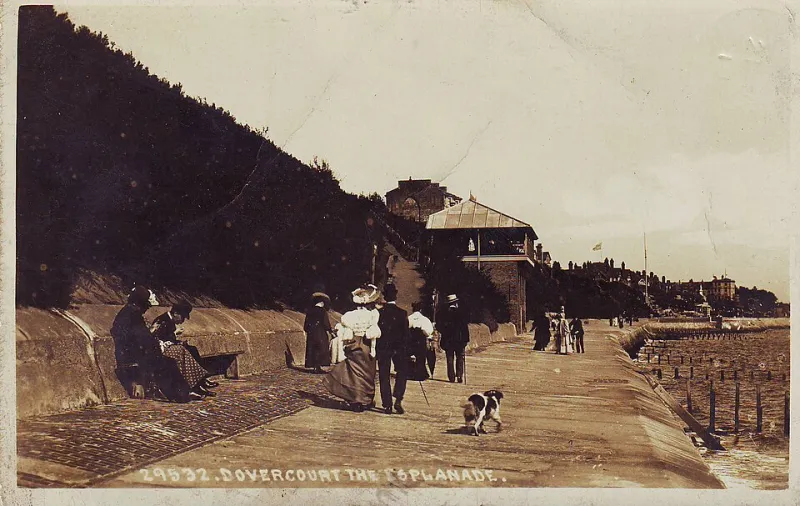
Photo: Dietmar Rabich, CC BY-SA 4.0, via Wikimedia Commons
Rain in Oxford is rarely an event. It is a condition of the day, arriving against stone, bicycles and the long walk between one appointment and the next. In such a city, the umbrella is not merely useful. It is visible for minutes at a time, held at shoulder height and carried through quadrangles, along narrow pavements and into rooms where the coat is eventually removed. It should therefore be chosen with the same restraint as a scarf or a pair of gloves.
A refined umbrella does not compete with the overcoat. It extends it. The distinction is simple: an emergency umbrella is judged by whether it fits in a bag; a considered umbrella is judged by whether it belongs beside a wool coat and a tweed jacket. The latter is the subject here.
Shape, Scale and the Question of Coverage
The first consideration is the canopy. A classic eight-panel dome remains the most dependable shape for a city umbrella, provided it is properly tensioned and cleanly finished. The canopy should open taut, with ribs that sit evenly and a rim that holds its line. A slack canopy flutters in the wind and looks tired before the weather has even turned.
Scale matters more than many shoppers expect. A canopy of roughly one metre across offers useful coverage without becoming unwieldy on a crowded pavement. Smaller canopies leave the shoulders exposed and force the carrier into a defensive stoop; excessively large ones catch wind and inconvenience others. For most Oxford coats, a diameter between 100 and 110 centimetres is the sensible middle ground.
Shape should be gently domed rather than aggressively technical. Deep vents, reflective piping and sports-derived hardware have their place in walking equipment, but they rarely sit well with tailored wool. A shallow dome with a close-woven, matte fabric is quieter and more elegant. The canopy should shed water without announcing itself as a piece of performance kit.
Handle and Shaft: The Weight of the Object
The handle is where an umbrella is either elevated or diminished. Wood remains the most persuasive material: malacca for lightness and a fine, linear grain; chestnut for warmth and substance; maple or ash for a firmer, more practical grip. A crook handle has the advantage of hanging neatly on a coat rail and reads as a traditional walking accessory. A straight handle is more businesslike and suits a formal coat, though it demands a little more care when stored.
Avoid handles that imitate wood in plastic. They are usually apparent at close range and feel insubstantial in the hand. The same applies to chrome-effect ferrules and printed logos along the shaft. A modest metal collar and a solid tip are enough. The object should have a little weight at the handle, enough to feel deliberate when carried and to hang correctly when closed.
A wooden shaft is preferable to a thin metal one for daily use in Oxford. It gives the umbrella a better line beside the body and makes the walking stick feel like an accessory rather than a temporary measure. If weight is a concern, a slim hardwood shaft will usually prove more comfortable than a hollow frame that rattles.
Colour Discipline Against Wool and Tweed
Colour is where the umbrella can either settle a wardrobe or unsettle it. Black remains the safest choice and is especially effective against navy, charcoal and grey wool overcoats. Navy is similarly discreet, though it can disappear against a navy coat; in that case, charcoal or dark olive provides a quiet separation without contrast.
With tweed, the canopy should generally be solid and dark. A herringbone or check coat already carries enough pattern. A dark green canopy can work well beside a grey or brown tweed, and a deep burgundy is acceptable in smaller doses, but bright primaries and pale pastels tend to look detached from the rest of the outfit. The aim is not to match the coat exactly, but to avoid a jolt between coat and canopy.
Discipline also applies to trims. A narrow leather-covered band or a subtle wooden tip is sufficient detail. Fluorescent panels, reflective strips and large brand marks belong to the language of commuter equipment. They may be practical, but they are not in keeping with a wardrobe built on wool, flannel and restrained colour.
Walking Stick or Collapsible: A Firm Verdict
For daily wear in Oxford, the walking umbrella is the better choice. It is stronger, more comfortable to carry and considerably more elegant beside a long overcoat. It also avoids the familiar ritual of wrestling a collapsible canopy open at a bus stop while the rain gathers on the shoulders. A walking stick can be hooked over the arm when hands are needed and stands neatly by a door.
The collapsible umbrella has one legitimate role: travel. It packs into a case or a bag and is useful when the weather is uncertain and the day is long. But it should not be the default for a considered wardrobe. The creased canopy, the thin shaft and the mechanical fuss tend to undermine the finish of an otherwise composed outfit. If a collapsible is necessary, choose a slim black or charcoal model with a plain canopy and no visible branding. Treat it as a travelling concession, not as the principal umbrella.
Avoiding the Commuter's Emergency Kit
The umbrella should not look as though it has been bought in a station newsagent during a downpour. That impression comes from three things: synthetic shine, high-visibility colour and technical clutter. A matte canopy, a wooden handle and a restrained palette will prevent all three. The umbrella can then be carried with the same ease as a leather bag or a wool scarf.
There is also a question of maintenance. A wet umbrella should be opened to dry properly and stored closed only when the canopy is no longer damp. Loose ribs should be repaired before they distort the shape. A small amount of care keeps the object looking intentional rather than improvised.
At Jordell Oxford, the wardrobe is built from pieces that behave well in the city and age without fuss. The umbrella belongs in that company. Choose a canopy with a clean dome, a handle with real material and a colour that sits quietly beside wool and tweed. Prefer the walking stick for everyday Oxford use, and reserve the collapsible for the journey. Shelter, after all, can be considered.