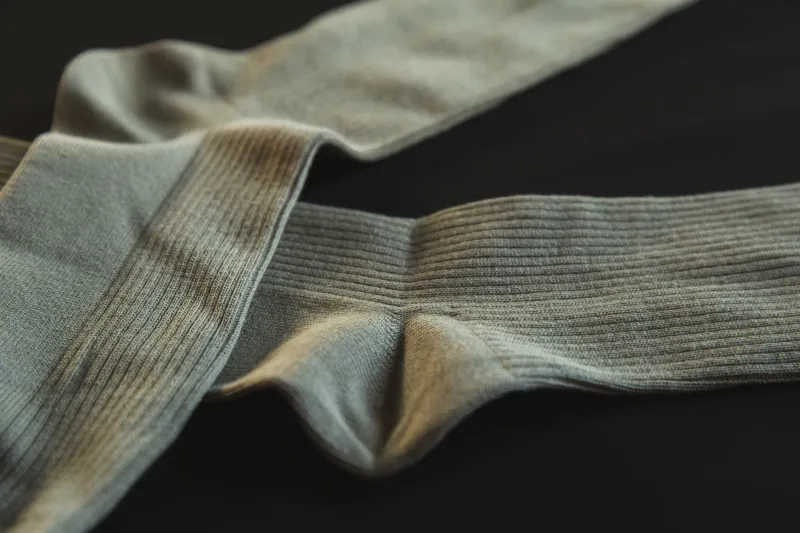
The Final Line: Hemming Trousers for an Oxford Wardrobe in 2026
Photo: tailored wool trousers hem detail Oxford street style, via pagesix.com
In a city where the pavement is often wet, the staircases are stone and the evening can stretch from a lecture hall to a candlelit table, the trouser hem is not a minor alteration. It is the final line of the silhouette, the point at which cloth meets shoe and the wearer's judgement becomes visible. A hem can suggest ease, discipline or neglect before a single word is exchanged. For the 2026 Oxford wardrobe, the question is not simply whether to choose a full break, a half break or none, but how to make that choice look considered in a city that notices small things.
The Break, Reconsidered
The break is the fold or contact that occurs where the trouser front meets the shoe. A full break produces a pronounced fold, sometimes two, and lends a traditional, generous weight to the leg. A half break offers a slight, clean interruption. No break leaves the hem hovering just above the shoe, creating an unbroken vertical line. Each has its place, but none should be adopted without reference to cloth, shoe and the practicalities of movement.
In Oxford, the practicalities are particular. Wet pavements punish a hem that trails; stone stairs expose a hem that is too short or too long with equal clarity; long indoor evenings reward a line that remains tidy when seated. The considered hem is therefore a compromise between drape and clearance, tradition and precision.
Three Degrees of Contact
A full break can look handsome in a heavier cloth, particularly when the trouser is cut with a little width. It suggests a certain old-fashioned ease, but it also gathers water and grit at the back of the hem. In flannel, a full break can collapse into a soft puddle; in cavalry twill, it holds its shape with more conviction. The risk is not the break itself but the pooling that follows when the hem is too long for the shoe.
A half break is the most versatile choice for Oxford. It allows the cloth to touch the shoe without folding heavily, keeping the line straight while acknowledging the shoe beneath. It works with a derby, an Oxford shoe and a modest boot. For most wardrobes, it is the safer default, particularly where trousers are worn across both indoor and outdoor settings.
No break is the most exacting. It can look elegant and modern, especially with a tapered leg and a clean shoe, but it leaves little room for error. A hem that hovers too high appears tentative; one that sits too low loses the intended line. In a wet city, it also demands a generous sock and a willingness to accept that the ankle will sometimes be exposed. It is best reserved for trousers cut with intention and worn with shoes that deserve the attention.
Cloth in the Balance: Flannel, Twill and Corduroy
Wool flannel is soft, forgiving and inclined to drape. It benefits from a half break, which allows the cloth to fall without collapsing. A shallow cuff can add weight and help the hem keep its shape, but a deep turn-up in flannel can look bulky and will collect damp. For winter 2026, a mid-grey or charcoal flannel with a half break and a modest cuff is a reliable Oxford choice.
Cavalry twill is firmer and more resilient. It holds a crease, resists weather and can carry a fuller break without looking untidy. This is the cloth for mornings that begin on wet pavements and end on polished floors. A half break or a restrained full break both work; the key is to avoid excess length at the back. A cuff is optional and, if used, should be shallow and neatly pressed.
Corduroy is heavier and more textured. It does not need a deep cuff, which can make the hem look cumbersome, and it is best served by a half break or a slight no break. The wale should run cleanly to the hem, and the finish should be tidy rather than softly rolled. In a city of narrow doorways and crowded staircases, corduroy rewards a hem that stays close to the shoe without dragging.
Cuffs, Clearance and the Wet Pavement
Turn-ups are not merely decorative. They add weight to the hem, protect the edge from wear and can make a cheaper cloth hang with more conviction. In Oxford, however, they must be shallow. A turn-up of three to four centimetres is usually sufficient; anything deeper gathers rain and looks heavy in flannel or corduroy. Cavalry twill can carry a slightly deeper cuff, but restraint remains the governing principle.
Clearance is the more important measurement. The hem should meet the shoe cleanly when standing, with enough length to avoid hovering and enough shortness to avoid pooling. At the back, the hem should not brush the pavement. When seated, the trouser should cover the sock without riding up excessively. When walking, it should not catch under the heel or fold awkwardly over the instep. These are not abstract standards; they are the daily tests of an Oxford leg.
Wet weather makes the case for a half break with particular force. A hem that touches the ground will wick moisture, stain and fray. A hem that sits too high will leave the ankle exposed to cold and rain. The middle course is not indecision; it is practicality refined into style.
The Difference Between Considered and Neglected
A considered hem looks deliberate. It meets the shoe at a consistent point, falls straight and shows no sign of fraying or scuffing. A neglected hem announces itself through pooling, a threadbare back edge, uneven length between legs or a persistent shuffle. These are small failures, but in a formal wardrobe they are read quickly.
Alterations should be made with the shoes that will be worn most often. A tailor can adjust the hem in minutes, but the wearer must stand, sit and walk. Both legs should be checked, since few people are perfectly symmetrical. If in doubt, choose the half break; it is the most forgiving of the three and the least likely to look dated in 2026.
A Practical Audit for the 2026 Wardrobe
Begin with the trousers already hanging in the wardrobe. Pair each with its primary shoe. Stand in front of a mirror and note where the hem falls. Sit down and check the sock. Walk up a flight of stairs and observe whether the hem catches. If the cloth pools, shorten it. If it hovers, lengthen it or reserve it for warmer, drier days. Flannel should generally take a half break; cavalry twill can take a half or a restrained full break; corduroy is best with a half break and no deep cuff. Repair any frayed edges before the season begins.
The hem is a small margin, but it is the margin by which composure is judged. In Oxford, where the leg is seen on wet pavements, stone stairs and long indoor evenings, that margin deserves attention. A trouser that meets the shoe with quiet precision is not merely well altered; it is well understood.