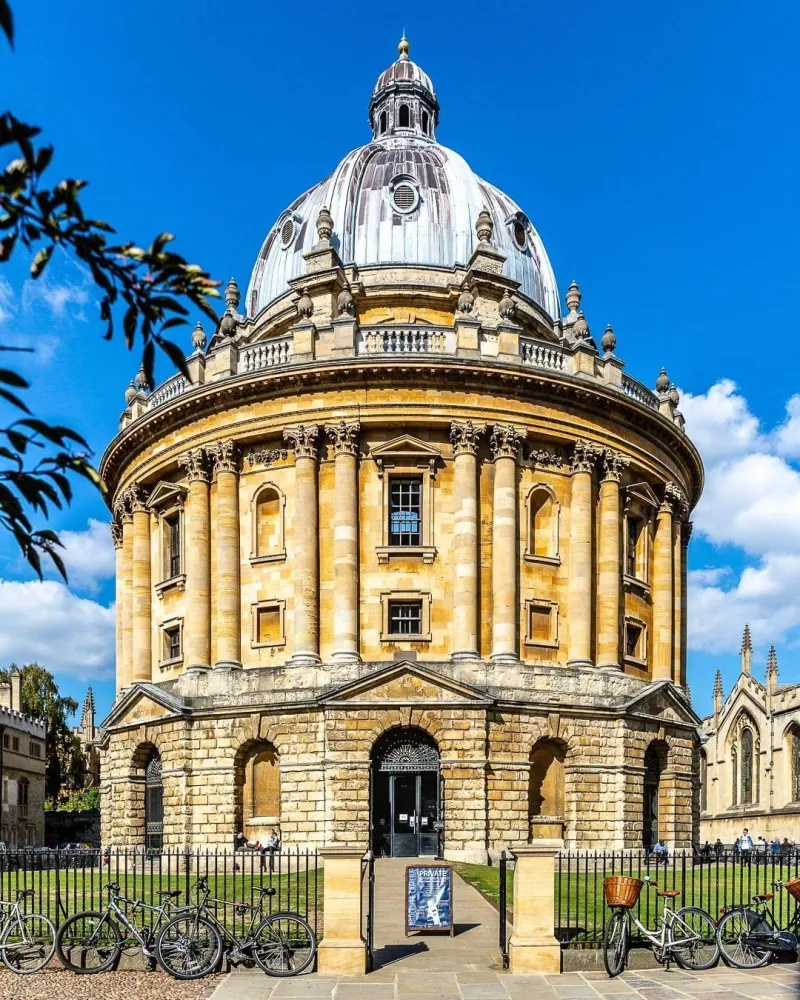
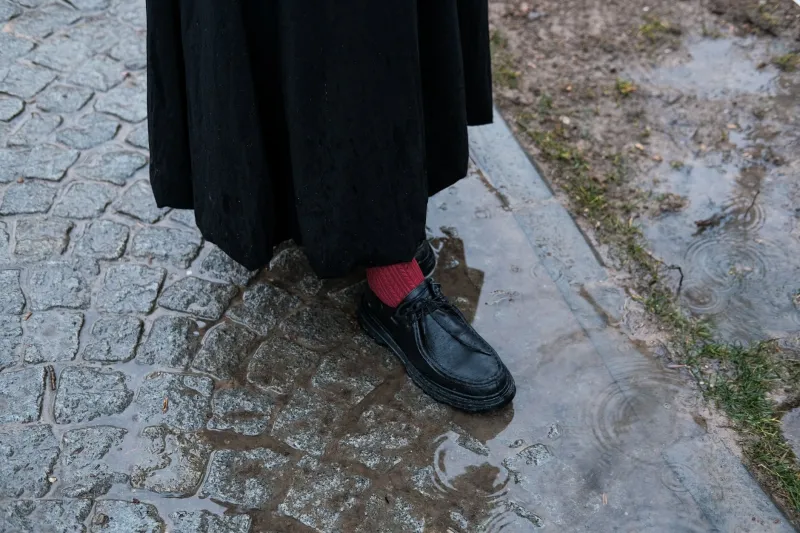
Borrowed Drama: Styling the Academic Gown for Winter Evenings in 2026
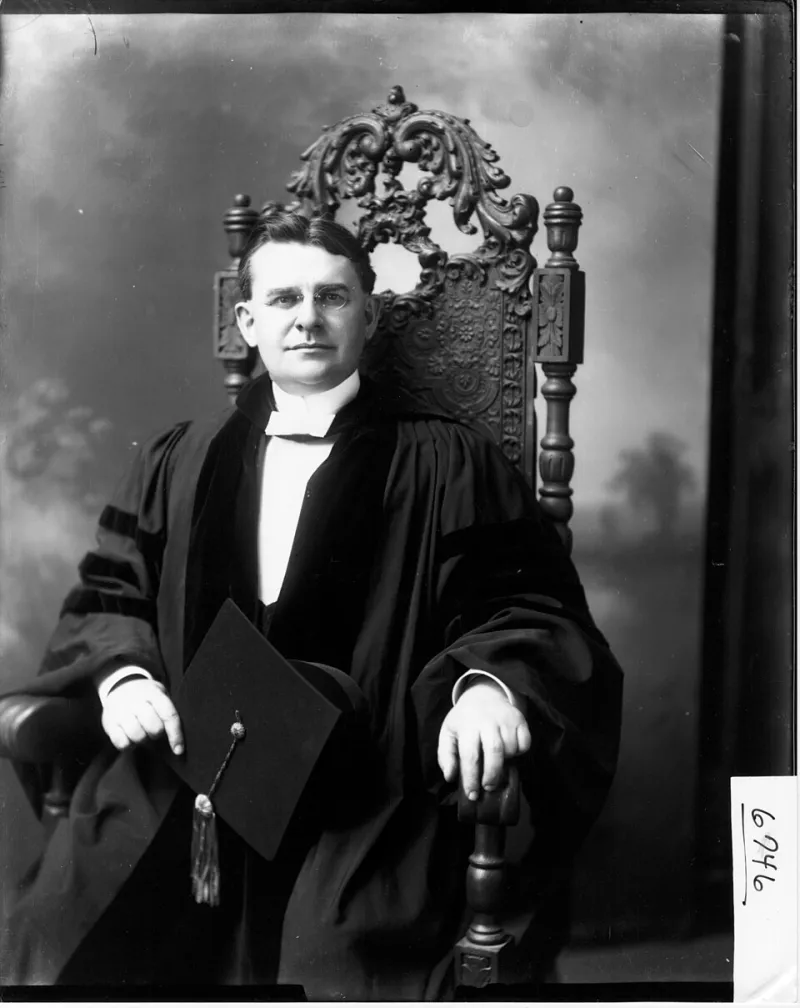
Photo: Snyder, Frank R. Flickr: Miami U. Libraries - Digital Collections, Public domain, via Wikimedia Commons
The Gown, After Hours
The academic gown is one of Oxford's most recognisable garments and one of its least understood. It began as a practical robe for medieval scholars, a layer of wool or cloth that kept the wearer warm in unheated rooms and marked membership of a community. Over centuries it was codified into subfusc, with different gowns for different ranks and occasions. Its authority comes from that lineage, but so does its danger: worn too literally, it reads as fancy dress. Worn with discipline, it becomes something rarer—an evening layer with genuine provenance.
The trick is to treat the gown as you would a coat or a cape, not as a costume. Choose a plain black gown with little embellishment; avoid shiny synthetic fabrics and oversized sleeves that swallow the wrist. A vintage gown from a theatrical supplier can work if the cloth is matte and the cut is simple. Keep the rest of the outfit modern, and let the gown supply the volume and the history.
Five Interpretations for 2026
1. The Dinner Layer: Over a Bias-Cut Slip Dress
A black silk slip dress is the most straightforward partner. The gown goes over it, unbuttoned or open, with the dress hem falling just below the gown's edge. Keep accessories minimal: a fine chain, a small bag, a low-heeled sandal or a pointed flat. The drama is in the contrast between the fluid dress and the scholarly line. For winter, add sheer tights and a cashmere wrap for the walk to the restaurant.
2. The Knit Column: With Fine Cashmere and Wool Trousers
For colder evenings, build a column of fine-gauge knitwear—a crew-neck cashmere sweater and wide-leg wool trousers in charcoal or navy. Wear the gown open like a long vest, or closed with a single discreet fastening at the waist. The texture of the knit softens the gown's formality. Add leather loafers or ankle boots; avoid trainers, which tip the look from subversion into pastiche.
3. The Soft Tailoring: Over a Silk Shirt and Fluid Trousers
Soft tailoring is the natural bridge between the gown and the modern wardrobe. A silk or washed-silk shirt, pleated wool trousers and a narrow belt create a clean line. The gown sits over the top as a sleeveless layer, its sleeves falling open. This is the version to wear to a concert or a winter city dinner where you want polish without a suit. Choose a dark palette and one piece of jewellery—a signet ring or a slim cuff.
4. The Concert Cape: With a Column Dress and Knee Boots
For evening concerts, a long column dress in black or deep navy provides a quiet base. The gown becomes a cape: wear it over the shoulders, unfastened, with the sleeves falling behind. Knee-high leather boots add weight and warmth. Keep the hair simple and the bag small. This is the most dramatic of the five, but it remains credible because every other element is restrained.
5. The Evening Separate: A Silk Skirt and a Cashmere Top
If a dress feels too formal, try a bias-cut silk skirt with a fine cashmere top. The gown goes over the top, open, with the skirt moving beneath. Add a low heel and a structured clutch. This combination works for dinners that sit between smart and relaxed, and it is the easiest to adapt for different venues. In wet weather, swap the silk for a heavier satin or a wool crepe.
The Rules of Restraint
The gown works best when the rest of the outfit is quiet. Avoid academic accessories—mortarboards, ribbons, subfusc bows—unless the event explicitly calls for them. Keep colours tonal: black, navy, charcoal, ivory. Let one texture lead: silk, cashmere, fine wool. And check the length: a gown that falls to the calf or mid-calf is easier to wear than a full-length one, which can look theatrical.
Finally, consider the question of permission. A gown is not a generic garment, and wearing one outside a ceremony can raise eyebrows. The answer is context: private dinners, concerts, creative events and winter city evenings are fair territory. Wear it with respect for what it is, and it will read as a considered layer rather than a stunt.
At Jordell Oxford, we return often to the idea of borrowed drama: clothes that carry a story without overwhelming the wearer. The academic gown, worn after hours and with a modern eye, is exactly that.